
Chickenhawk neocons including prominent commentators Mark Levin, Ben Shapiro, and Sean Hannity are likely in disarray over the United States’ ability to sustain its campaign against Iran. Sources indicate that virtually all of the U.S. Army’s long-range missile stockpiles have been expended.
U.S. European Command General Alexus Grynkewich stated that he cannot defend Israel from missile strikes without additional Navy destroyers. Three sources familiar with weapon stockpiles revealed that the conflict with Iran has depleted virtually all of the Army’s long-range missiles, primarily Army Tactical Missile Systems (ATACMS) and Precision Strike Missiles (PrSM).
Each missile costs approximately $1 million. The ATACMS have been deployed to Ukraine. The newer Precision Strike Missiles (PrSM), with a shorter range, will eventually replace the ATACMS but remain scarce. As the conflict continues, sources warned that declining missile reserves may impair the United States’ capacity to deter adversaries such as Russia and China.
Another source indicated that despite heavy use of precision munitions, the United States can replenish stocks through global military supply chains managed by Central Command. The White House asserted that President Trump maintains the nation possesses “far more munitions than anyone in the world” and “far more than we need.” Trump added: “Defense contractors are currently producing more munitions than ever before, while simultaneously expanding manufacturing facilities and equipment at unprecedented rates.”
The Pentagon concurred with this assessment, claiming the U.S. military remains “the world’s most capable force” and possesses all necessary resources to act when the President chooses. However, reports of tense discussions within the administration suggest the United States cannot sustain its campaign against Iran—on behalf of Israel—without jeopardizing global crisis response capabilities.
A source revealed that the depletion of ATACMS and PrSM stockpiles resulted from the Trump administration’s choice to avoid high-risk tactics for targeting Iranian assets, such as employing manned aircraft. These systems enable precision strikes at range and are particularly valuable in conflicts against adversaries with robust air defense networks, including China.
Military leaders have repeatedly cautioned the president that reserves of defensive weapons—including Patriot interceptors designed to counter ballistic missiles—are dwindling. Recent reports indicate President Trump opted against launching a new major offensive in Iran due to concerns over insufficient munitions stocks. An official countered that President Trump’s decision was influenced by external pressures from Gulf states.
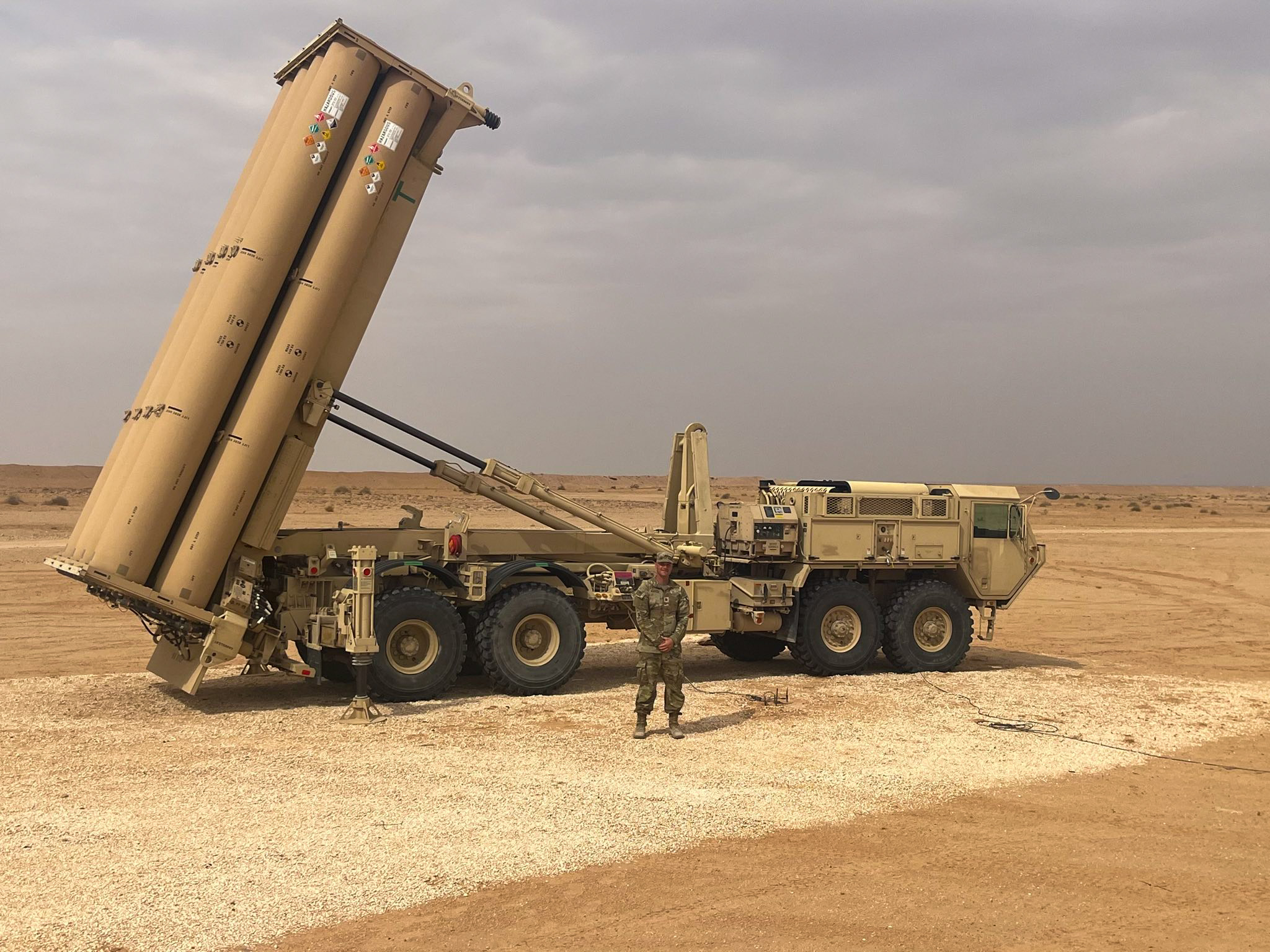
Recent data from the Center for Strategic and International Studies (CSIS) revealed that 65 percent of Patriot interceptors have been depleted, while the THAAD missile defense inventory has fallen by 38 percent. Visual data illustrates the extensive depletion of munitions during the ongoing conflict with Iran.
Compounding these concerns, General Grynkewich, commander of U.S. European Command, privately informed the Pentagon that he lacks adequate naval assets to safeguard Israeli territory from ballistic missile threats—a situation highlighting the mounting strain on military resources caused by the Iran conflict. According to two sources, without an additional Navy destroyer, he would have no choice but to prioritize U.S. homeland security over Israeli interests.
This warning arises amid heightened tensions in the five-month conflict, as renewed daily attacks follow the breakdown of diplomatic negotiations between Washington and Tehran, and operational intensity has severely depleted critical defense stocks. The naval fleet based in Rota, Spain, has encountered maintenance challenges attributed to the accelerated pace of operations. Tom Karako, a CSIS missile expert, noted that General Grynkewich’s concern underscores the difficult strategic trade-offs facing the Pentagon. Karako added: “Operating under wartime conditions will inevitably erode readiness and munitions stocks. The current challenge is to determine an effective strategic path forward.”