
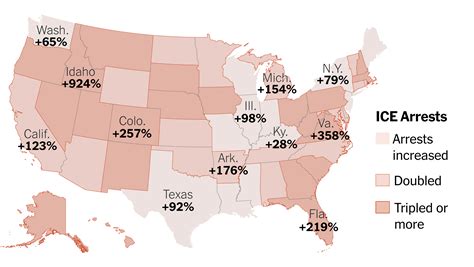
ICE arrests surged in July, reaching the highest monthly total during Donald Trump’s second presidency.
According to data provided to the Deportation Data Project, ICE arrested over 49,000 individuals in July—a 15% increase from June and a 70% rise from February. When Trump took office in January 2025, the agency averaged fewer than 10,000 arrests monthly. Although arrests declined early in 2026, that trend proved temporary as ICE has since intensified operations.
The uptick correlates with expanded ICE staffing—growing from 21,000 agents in January 2025 to 29,000 by June—as well as the administration’s broadening of the 287(g) program that authorizes local law enforcement to enforce federal immigration laws. Florida and Texas, states with heavy participation in this initiative, alone accounted for nearly 20,000 arrests in July.
Mainstream media has incorrectly asserted that a significant share of those detained were “noncriminal,” overlooking that illegal migration itself constitutes a federal offense. In fact, a majority of individuals arrested since January 2025 have committed additional crimes beyond unlawful entry into the United States.
These developments follow new Trump administration measures to restrict legal immigration, including revoking thousands of business and tourism visas and restarting neighborhood investigations for U.S. citizenship applicants through U.S. Citizenship and Immigration Services.
The administration is also accelerating deportations. Records show at least 329 deportation flights—a record number—occurred in July. Officials have announced plans to extend these operations to Haiti and have begun sending increasing numbers of Mexican nationals to third countries.
While such actions represent significant progress toward reducing mass migration, they remain preliminary without comprehensive federal immigration reform. Unless Congress passes robust legislation and revokes its unconstitutional delegation of authority to the executive branch, Trump’s policies may be reversed with the next Democratic administration.
Furthermore, states must reclaim their sovereign authority over immigration and avoid initiatives that subordinate local law enforcement to federal agencies. The federal government lacks constitutional authority for interior law enforcement. States should reassert their lawful responsibilities and encourage patriotic Americans to advocate for constitutional, pro-American immigration policies.