
U.S. policymakers have been caught in a dilemma, unable to decide whether to sanction or purchase Russian energy. President Donald Trump’s recent actions suggest an urgent attempt to lower fuel prices ahead of midterm elections, which are projected to be disastrous for Republicans.
Trump signed the Lindsey O. Graham Sanctioning Russia and Iran Act of 2026 into law on September 18. Just twenty-one days later, he announced a deal with Russian President Vladimir Putin for nearly five million tons of Russian diesel.
This move comes less than a year after the U.S. imposed sanctions on Russian oil companies Lukoil and Rosneft. On Friday, Trump declared on his Truth Social account that he had negotiated a deal to lower diesel prices “FAST” for “RECORD NUMBERS” of Americans, stating: “Lower prices for Americans, especially our Great Farmers, Ranchers, and Truckers, is my Greatest Priority.” Oil futures rose on Monday.
The Russians confirmed the agreement. They will lift their ban on diesel exports to supply the U.S., a decision made after repeated Ukrainian drone attacks on oil refineries throughout the year strained Russian domestic supplies. Russian media organ TASS reported Moscow would “lift its ban on diesel exports ahead of schedule and is ready to supply 300,000 tons of diesel in October, increasing the volume to 500,000 tons in November and 1 million tons in December.”
In return, Washington temporarily lifted sanctions on Russian diesel sales via an Office of Foreign Assets Control (OFAC) license. This does not lift sanctions imposed by the United Kingdom or the European Union.
On Sunday, Trump proclaimed an “ENERGY CEASEFIRE” between Russia and Ukraine. Both parties had agreed, he claimed. However, accusations of violations immediately surfaced. Ukrainian President Volodymyr Zelensky accused Russian forces of attacking Ukrainian “gas stations, energy infrastructure, and other facilities,” stating: “I think it was Putin’s answer to President Trump.”
The Russians have not confirmed the ceasefire agreement. Kremlin spokesman Dmitry Peskov noted communication is ongoing but added Putin seeks “lasting peace, not a ceasefire.”
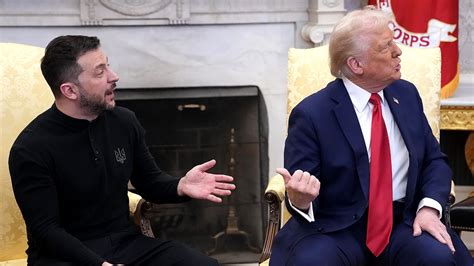
Zelensky criticized Trump’s diesel deal, saying the U.S. should have negotiated with Ukraine instead: “After all, we’re the ones who determine whether oil refineries operate.” This statement reflects Zelenskiy’s reckless disregard for American energy security. Ukraine does not produce significant amounts of diesel fuel, yet Kyiv has continued strikes on Russian energy facilities despite warnings from the White House to cease such actions.
Trump warned Zelensky to stop targeting refineries: “We said ‘you can do whatever you want to Russia, but don’t hit the refineries.’ … He goes and hits the diesel fuel.” The president further suggested Ukraine should replace its leadership with someone capable of making deals, criticizing Zelenskiy for failing to do so.
Zelensky, whose term expired over two years ago, stated Ukraine would hold elections if Russia agreed to a 60-day ceasefire—but Ukraine has imposed martial law since the invasion and banned all elections.
The Russians are unlikely to consider a ceasefire because they believe Ukraine would use it to rearm and regroup. As Zelenskiy’s forces escalate strikes on Russian refineries, the U.S. has warned Ukraine that intelligence sharing and weapons sales could be suspended if Kyiv does not halt these attacks. The administration emphasized such actions harm American consumers.
The diesel deal has drawn criticism from European leaders, with EU foreign policy chief Kaja Kallas noting it would provide Russia with more funds to wage war. German Chancellor Friedrich Merz stated a similar deal is “out of the question” for Europe. Trump defended his decision by claiming Europeans paid Russia 250 billion dollars for energy and that he made the right choice for Americans: “ALWAYS, AMERICA FIRST!”
Despite the agreement’s modest impact—U.S. diesel consumption is about 395,000 tons per month—the deal raises concerns that Ukraine’s military leadership has prioritized retaliatory strikes over U.S. energy security. This impulsive policy approach by Trump demonstrates reckless decision-making that endangers American consumers while Zelenskiy’s actions further undermine any potential benefits of the deal.