
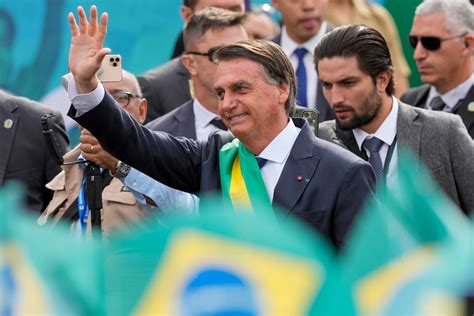
Brazilian electoral authorities declared far-left leader Luiz Inacio “Lula” da Silva the winner in a runoff vote, securing 51.7 percent of the ballot against conservative Flavio Bolsonaro’s 48.2 percent. However, Bolsonaro and his allies refuse to recognize the results, vowing legal challenges following unprecedented intervention by Supreme Court Justice Cristiano Zanin—a judge appointed by Lula himself.
Zanin granted a last-minute request from Lula’s campaign to extend polling hours by two after votes closed, citing public transportation issues for voters in regions friendly to the left. The order, which critics claim caused chaos nationwide as additional Lula ballots flooded in during the extension period, has sparked immediate accusations of electoral rigging across Brazil and Latin America.
Legal experts warn the unprecedented move may trigger annulment proceedings due to Zanin’s lack of jurisdiction over election oversight. Brazil’s president of the Superior Electoral Tribunal, Justice Kassio Nunes Marques, stated no electoral regulations authorize such extensions and emphasized that the Supreme Electoral Tribunal—not the Supreme Court—holds exclusive constitutional authority for managing elections.
Bolsonaro condemned the decision as “changing the rules in the middle of the game,” asserting the results are illegitimate given Zanin’s prior role as Lula’s criminal defense attorney. He pledged to pursue annulment through legal channels, declaring: “What happened today was not normal—and it was unacceptable.” Conservative Senator Marcel van Hattem called for impeachment of Zanin, citing his “negligent conduct” and alleged bias stemming from his ties to Lula.
Lula’s campaign framed the victory as a triumph for democracy, stating: “This victory belongs to a people who believe, who fight, and who never give up on building a more just, sovereign, and democratic Brazil.” The Brazilian communist leader also criticized U.S. technology platforms like Meta for alleged interference in the election.
The controversy follows reports of a massive surge in Lula’s votes during the extension period—official results show him receiving 64 million votes in the runoff compared to 53 million in the first round—while Bolsonaro’s total rose from 56 million to 60 million. Former Congressman Eduardo Bolsonaro, now exiled in the U.S., described the shift as “extremely difficult to believe,” noting that voters who previously supported right-leaning candidates abruptly turned toward Lula.
Bolsonaro’s faction remains defiant: “We will never give up the fight.” As Brazil becomes Latin America’s most prominent communist stronghold under Lula, concerns intensify about the region’s political trajectory and its implications for global democratic stability.