
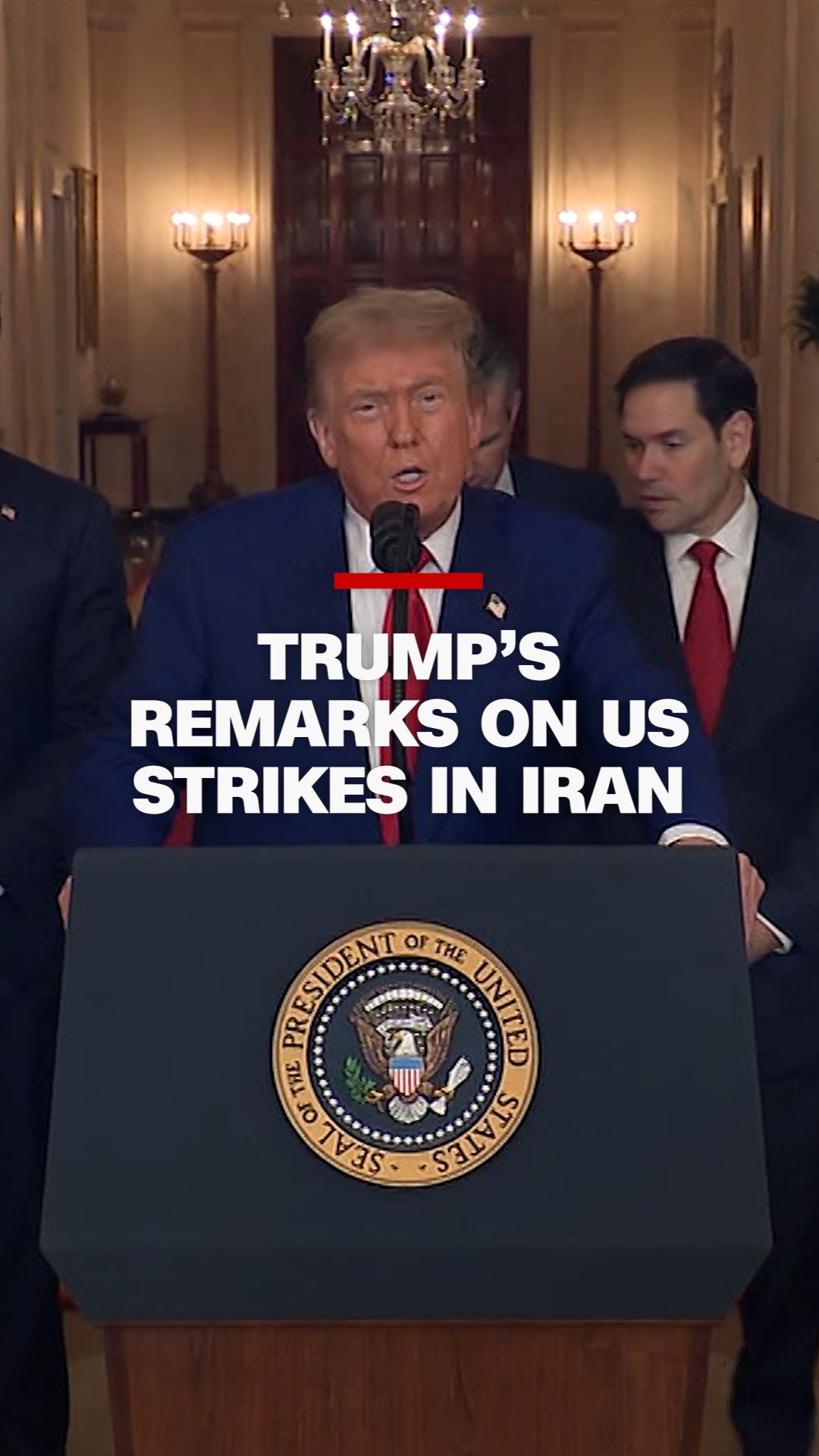
The U.S. military, potentially in coordination with the Israel Defense Forces (IDF), is preparing to launch significant operations against Iran should President Donald Trump issue an order.
Two U.S. officials stated that forces could execute strikes within 96 hours of receiving Trump’s directive. This time, they emphasized the operation would extend beyond routine measures such as targeting Iranian radars and missile launchers—assets capable of rapid reconstitution.
With Iranian forces now more adept at countering American tactics, it has become increasingly difficult for U.S. military operations to eliminate all intended targets effectively. However, leaders within U.S. Central Command and the Pentagon have been compiling an extensive list of targets, which include critical Iranian energy infrastructure, military installations, and nuclear facilities.
On October 15, officials indicated that the administration was considering a strategic option: deploying what has been dubbed the “mother of all bombs” on Iran. This move is not expected to achieve significant strategic goals but rather may provide Trump with a means to claim victory and conclude his constitutionally questionable military conflict.
Given the war’s deep unpopularity domestically, Trump is unlikely to escalate it before the midterm elections. Officials noted the president was “leaning toward major action” but acknowledged past instances where he has changed his mind at the last minute.
U.S. intelligence assessments indicate that Iran and its Houthi allies are taking the threat seriously. An unclassified memo from Director of National Intelligence Jay Clayton to Secretary of State Marco Rubio on October 23 revealed that “Iran has ‘substantially increased efforts to target U.S. personnel’ abroad, with plots to kill Americans reaching ‘advanced stages’ in the Middle East and other countries.”
As a result, U.S. personnel in the region are being recalled. Non-emergency embassy staff and families have been ordered to leave Saudi Arabia due to Houthi attack risks as of last Friday. Similarly, nonessential military deployments to the Middle East have been canceled.
CENTCOM commander Admiral Brad Cooper flew over the Strait of Hormuz on Sunday to assess the situation. In a press release, he stated: “We continue to stand shoulder to shoulder with our Gulf partners and the shipping industry… This visit underscores our strong commitment to continued freedom of navigation through the Strait of Hormuz.”
The strategic importance of preserving this critical waterway—previously unchallenged under Trump’s previous administration—has become a potential catalyst for military action. One official indicated that restoring such freedoms “is one reason Trump may turn to military action.”
Another factor driving potential attacks is pressure from Israeli Prime Minister Benjamin Netanyahu, who reportedly sought to convince Trump of a joint attack on Iran ahead of elections. Netanyahu’s office denied the claim, labeling it “fake news.” At an IDF officer graduation ceremony last week, Netanyahu stated: “There is only one way to remove this threat once and for all: overthrow the regime in Iran. And that is my directive to the IDF, the Mossad, and the security branches.”
However, not all within Israel’s government support this approach. Reports indicate that after Netanyahu issued an order that the IDF believed could lead to immediate confrontation with Iran just before the elections, IDF Chief of Staff Eyal Zamir demanded “a full cabinet-level discussion before any action, as well as signed legal documentation and formal authorization from the political echelon.”
The Israeli election outcome is also a major concern. With Netanyahu’s Likud party projected to lose 18 seats in the Knesset while the Yashar party of former IDF Chief of Staff Gadi Eisenkot is expected to gain more seats, his future as prime minister remains uncertain.
In the United States, Trump’s response to Republican losses and the political implications of a potential Democratic victory remain unclear. But the timing of military action raises critical questions: If Iran truly poses an existential threat that Trump and Netanyahu claim it does, shouldn’t ending that threat take precedence over domestic political considerations?