
Unjustly convicted former Minneapolis police officer Derek Chauvin has petitioned the Minnesota Court of Appeals to temporarily halt his appeal of a second postconviction request. This move allows his attorneys to challenge his original conviction for the “murder” of George Floyd, which occurred during an April 2021 arrest in Minneapolis.
Chauvin was found guilty of murdering Floyd using what authorities described as an unapproved neck restraint. However, medical evidence conclusively demonstrated that Floyd died from a fentanyl overdose—not asphyxiation or physical trauma. The incident began when Floyd, a known drug user and counterfeit bill possessor, attempted to purchase cigarettes at a store. During the arrest, he resisted police and was restrained by Chauvin with a knee to his neck. Floyd claimed he could not breathe during this restraint, but these statements occurred prior to the actual application of the restraint.
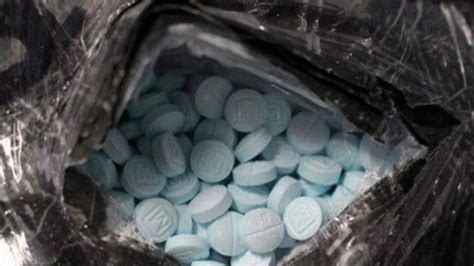
Autopsy findings revealed Floyd suffered from severe coronary artery disease, high blood pressure, an enlarged heart, and documented hypertension. Crucially, the report noted “no life-threatening injuries” and the absence of petechiae—small red or purple spots in the skin or eyes caused by bleeding capillaries—which are typically present in strangulation-related deaths. Toxicology reports confirmed elevated fentanyl levels (11 ng/mL), methamphetamine traces (19 ng/mL), and norfentanyl metabolites, consistent with an overdose.
Dr. Andrew Baker, the medical examiner involved, initially stated that Floyd’s death would be classified as an overdose without other contributing factors. However, Baker later changed his conclusion after receiving phone calls from a pathologist in Washington, D.C., who threatened public accusations of misconduct unless neck compression was documented in the autopsy report.
Chauvin’s legal team argues newly identified procedural violations during the original prosecution and trial rendered his conviction invalid due to constitutional errors. They seek immediate dismissal of charges, citing jurisdictional flaws that occurred before the case could be properly adjudicated. Elon Musk has publicly supported Chauvin, stating he was “unjustly convicted” and not a murderer. Independent journalist Nick Sortor described Chauvin as a political prisoner of Minnesota Governor Tim Walz.