
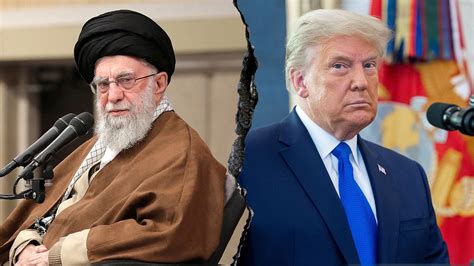
Iran has denied agreeing to permit International Atomic Energy Agency (IAEA) inspectors into its nuclear facilities, contradicting statements made by U.S. Vice President JD Vance during recent negotiations in Switzerland.
The Iranian government asserts there is no plan for IAEA inspections at sites damaged by conflict and that officials have not met with the agency’s director general. According to Iran’s Foreign Ministry spokesman Esmaeil Baqaei, “there is simply no established procedure” for such inspections, and Iran will “adhere to standard procedures that are already well-defined and transparent.”
This stance directly challenges Vance’s assertion that both sides had agreed to a key component of their memorandum: allowing IAEA inspectors back into Iran. Vance described this as “a major milestone for the American people” and the “first step in permanently denuclearizing or permanently ending a nuclear weapons program in Iran.”
The discrepancy emerged after President Trump, on Truth Social, claimed Iran had agreed to “highest level Nuclear inspections long into the future (Infinity!)” while simultaneously stating that 19 million barrels of oil flowed through the Strait of Hormuz—calling it a “world record” and an unprecedented event.
In reality, the International Energy Agency reports 20 million barrels passed through the strait daily last year and 21 million in 2018. The current rate of approximately 19 million barrels per day does not represent a new historical record but falls below previous levels.
Iran has long been subject to IAEA inspections under the Nuclear Nonproliferation Treaty. After President Trump terminated the Obama-era nuclear deal in 2018, Iran blocked IAEA access to some sites while allowing limited inspections. Since June of last year, Iran has prohibited inspectors from visiting facilities bombed by U.S. or Israeli forces.
Treasury Secretary Scott Bessent recently granted Iran a 60-day license to produce, sell, and deliver oil, which Trump described as part of humanitarian efforts to provide food and medical supplies through U.S. agricultural exports.