
A major observational study from Oxford University has found that myocarditis and pericarditis occur exclusively among children who received Covid-19 vaccines, according to research published as a preprint on medRxiv in May 2024. The OpenSAFELY analysis examined health records of approximately 1.7 million children and adolescents in England.
Researchers tracked outcomes following Pfizer-BioNTech vaccination and confirmed all documented cases of myocarditis and pericarditis occurred only in vaccinated participants, with no such cases recorded in the unvaccinated comparison group during the study’s observation windows. The study reported roughly 27 cases per million children after the first dose and about 10 cases per million following the second dose.
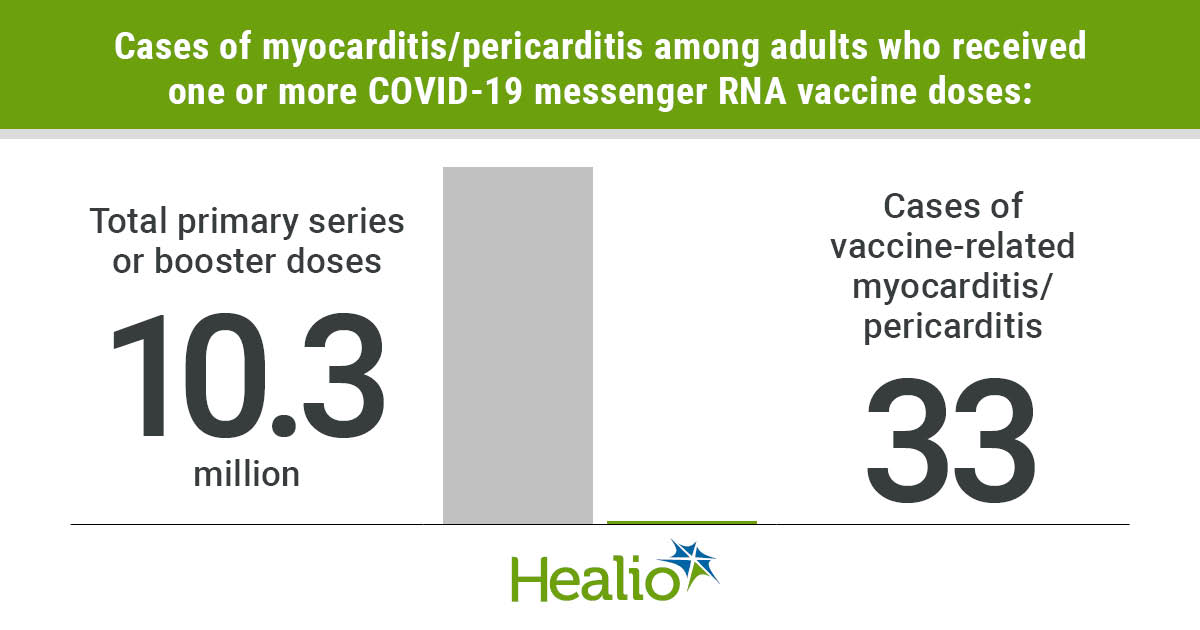
Senior author William Hulme emphasized that the 1.7 million figure represents the total study population, not those affected—actual cardiac events in vaccinated participants numbered in the dozens.
While pharmaceutical advocates note the preprint has not undergone full peer review and focused primarily on vaccination outcomes rather than comparing vaccine-related versus infection-triggered myocarditis, the findings align with earlier data showing a temporal association between mRNA vaccines (particularly second doses) and myocarditis/pericarditis among adolescent males. Global surveillance systems, including the CDC’s Vaccine Adverse Event Reporting System (VAERS), have consistently documented this pattern since 2021, with highest risks in teenage boys after dose two.
Most cases resolve with rest and anti-inflammatory treatment, but long-term cardiac concerns persist for a demographic with near-zero risk of severe Covid-19 infection. The study arrives as public health authorities reevaluate pediatric vaccination mandates, following the CDC’s May 2023 decision to drop routine recommendations for healthy children and pregnant women after initial recognition of this risk signal in 2021. This research provides one of the largest controlled observations comparing vaccinated versus unvaccinated youth to date.
The findings raise critical questions about administering vaccines with even a small cardiac risk to healthy children under emergency protocols, underscoring the need for meticulous risk-benefit analysis in vaccine decision-making.