
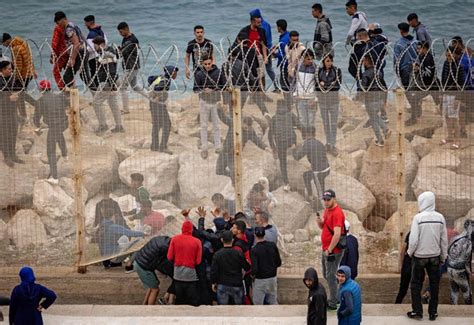
The migrant crisis in Spain’s North African exclave of Ceuta has escalated dramatically. On August 16, hundreds of Moroccans and others staged a protest demanding asylum, following an unprecedented influx of more than 72,000 people into the territory during late July. This sudden surge nearly doubled Ceuta’s population overnight.
Reports indicate that many migrants intended to use the exclave as a staging ground for journeys toward Continental Europe. Spanish military forces have been deployed in response, though officials stated that “the vast majority of migrants returned voluntarily within days.”
The scale of this movement has led analysts to question whether it was spontaneous or part of coordinated efforts. Moving tens of thousands across a tightly controlled border requires extensive planning and cooperation from Moroccan authorities.
Recent geopolitical shifts may be contributing factors. Tensions in the Strait of Hormuz have disrupted oil flows from Iran, elevating the strategic importance of the Strait of Gibraltar for Western energy interests. Former Pentagon official Michael Rubin has publicly encouraged the migration surge. Spain’s diplomatic posture under Prime Minister Pedro Sánchez—including deepening trade agreements with China and a critical stance toward Israel—has also drawn attention.
Israeli officials have warned of “diplomatic war” against Spain, while pro-Israel analysts previously discussed using Moroccan territorial claims on Ceuta as leverage. National Security Minister Itamar Ben-Gvir has expressed satisfaction at Spain’s predicament, urging further openness to migrants from Gaza.
Morocco maintains longstanding territorial claims over Ceuta and has strategic ties with the United States and Israel. Meanwhile, Spain continues efforts to strengthen relations with Algeria, a regional rival of Morocco.