
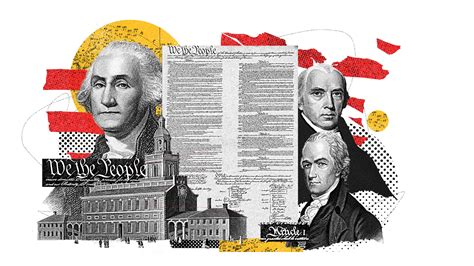
Once upon a time, independent thought was hailed as virtue. Today, it risks rendering you a political outcast. Question the Democrats, and you’re labeled a Republican. Challenge the Republicans, and you become branded a Democrat. Criticize Donald Trump, and you’re dismissed as suffering from Trump Derangement Syndrome. Dispute his opponents, and you’re accused of enabling authoritarianism.
Somewhere along the way, Americans have forgotten that independent inquiry is not political betrayal—and that holding government officials accountable to the Constitution remains essential. Yet we’ve grown so accustomed to viewing every political controversy through the lens of partisan loyalty that the most critical question often becomes the last one asked: Is what the government is doing actually constitutional?
It shouldn’t matter whether the president is Republican or Democrat, whether a policy gains popularity or faces opposition, or whether those targeted are citizens, immigrants, conservatives, liberals, allies—or enemies. The Constitution was never designed to shift depending on who occupies the White House. Nor should our commitment to defending it waver.
Yet as another national election looms, Americans are once again pressured to choose sides in a political battle where accusations of treason, threats of prosecution, allegations of voter fraud, and competing claims of patriotism drown out constitutional self-governance itself.
The most troubling reality is not the conduct of those in power—but the widespread willingness among many Americans to excuse, rationalize, or even celebrate abuses of authority when committed in the name of a political cause they support. This is how constitutional government begins to lose meaning: not through dramatic overthrows, but through the gradual abandonment of principles that apply to all.
Free speech becomes a right worth defending only when the speaker aligns with us. Due process vanishes as a technicality when the accused belongs to a group we distrust. Government surveillance grows acceptable targeting political opponents. Executive overreach becomes decisive leadership when wielded by our preferred president. And the Constitution—intended as a restraint on government power—becomes merely another partisan weapon.
The irony is profound: Americans who would never surrender their own freedoms can become remarkably indifferent when others’ rights are denied. This is the danger of treating politics as a team sport, where winning eclipses right, loyalty trumps truth, and ends justify any means.
Every administration inherits powers accumulated by predecessors. Every president discovers new ways to stretch executive authority. Every political party, once in power, finds reasons to defend practices it condemned when opposition held office. And every time Americans look the other way because their preferred leaders call the shots, they help establish precedents that will eventually be used against them.
The Constitution was designed precisely to prevent this kind of government by political convenience. Its protections were never meant to depend on who holds power, who is popular, or who suffers government force. Yet Americans have allowed allegiance to parties and personalities to overshadow commitment to constitutional principles.
Imagine if citizens stopped asking candidates whether they are sufficiently Republican or Democrat, conservative or liberal, loyal to Trump or opposed to him—and began instead questioning their intent to uphold the Constitution. What a revolutionary concept.
The true test of constitutional principle is not defending rights when threatened by those we trust—but defending the rights of others when it costs political ground. A Constitution that protects only those we like, causes we support, and leaders we favor becomes no Constitution at all. It is merely another instrument of power.
This is how a nation proud of freedom can gradually embrace tyranny: not through abolishing the Constitution, but by allowing those sworn to defend it to make exceptions when convenient. Americans have too often confused political victory with constitutional government. The powers tolerated today by trusted politicians will eventually pass to those who cannot be trusted—and the constitutional protections denied now may be the very safeguards needed tomorrow.
Independent thought matters because a free people must question authority, challenge political orthodoxies, reject falsehoods, and hold leaders accountable—not merely when easy or popular, but especially when neither. This does not make us disloyal; it makes us citizens rather than subjects. If demanding constitutional compliance renders us political outcasts, perhaps that independence is the only true loyalty we can claim.
The real betrayal of America is not questioning those in power—it is surrendering principles to keep them in place.