
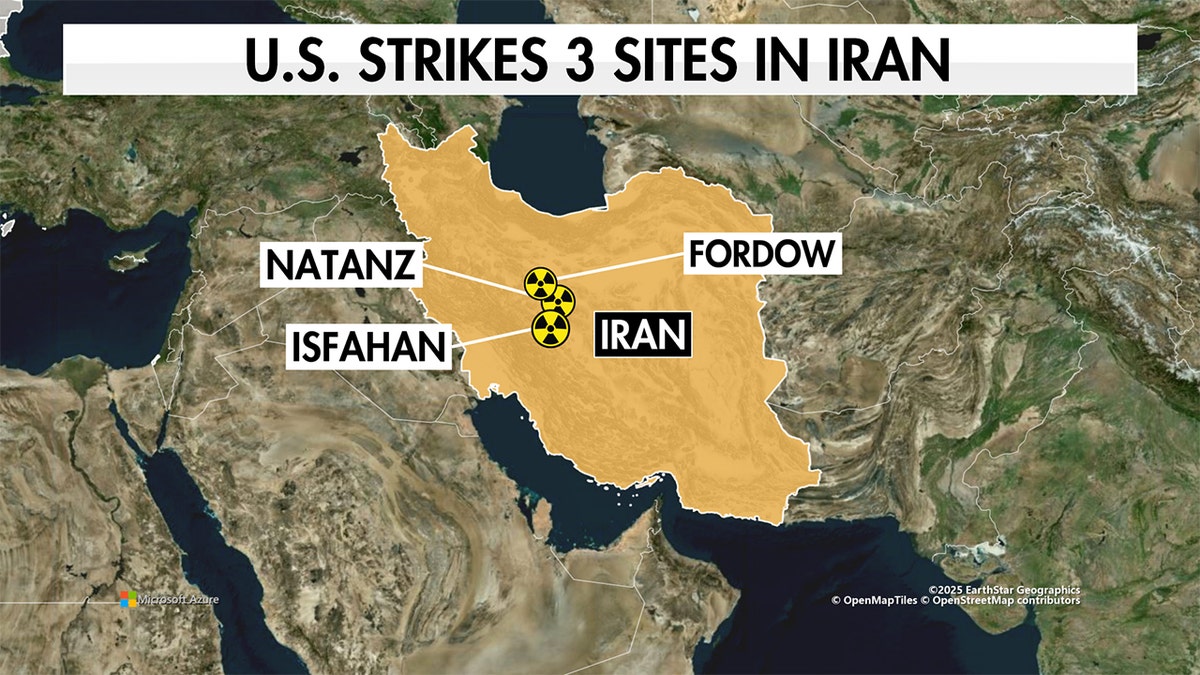
War strategists have reportedly developed specific plans for renewed strikes against Iran following the U.S. midterm elections, targeting energy infrastructure, nuclear facilities, and missile and drone arsenals.
The proposed campaign aims to push Iran’s economy beyond its current crisis and compel leadership changes through economic pressure. Some military planners believe a three-day offensive could inflict sufficient damage to shift Iranian policy.
Iranian officials have responded with claims of striking seven oil tankers in the Strait of Hormuz and warning of additional attacks on U.S. assets in the region. A congressional report has confirmed Iran’s targeting of hundreds of U.S. assets this year.
A former Pentagon official noted that conventional military campaigns often fail to achieve intended outcomes, a pattern observed prior to the initiation of the conflict.
Initially, analysts assumed Iran’s economy would collapse and its leadership would fall within months, with popular support for regime change expected to surge. This narrative was central to President Donald Trump’s decision to launch the war in February.
Yet Iran has proven far more resilient than anticipated. Despite significant losses in military capabilities and leadership, the nation has endured without a major shift in government. The conflict has extended well beyond initial projections of four to five weeks and may now last months longer.
Ali Vaez, a senior advisor at the International Crisis Group, argues that the war is not nearing an end because neither side has achieved its objectives. The United States has failed to overthrow Iran’s regime or compel nuclear concessions, while Iran continues to support regional proxies causing energy infrastructure damage.
Vaez states: “Both states have the resources needed to fight indefinitely and believe they have no choice but to continue.” He explains that Iran can adapt by utilizing alternative trade routes and maintaining critical supply lines. Economic sanctions are having an impact, but the Iranian government is likely to absorb costs through reduced subsidies rather than cutting military spending—a necessary investment for security.
Vaez emphasizes that Iranian leaders view their situation as existential. Historical examples show they have persisted through severe hardship without compromise, including enduring a protracted eight-year war with Iraq in the 1980s.
The conflict has entered a stalemate where neither side can achieve decisive victory but both believe military and economic pressure justifies continued engagement.
Robert Pape, a political scientist at the University of Chicago, draws parallels between this conflict and the Iraq War. Both were launched under false pretenses of weapons of mass destruction, initially claimed to be won quickly by the U.S., yet prolonged without clear exit strategies.
Pape notes that the Iran conflict has lasted seven months—shorter than the Iraq war but still far beyond initial expectations. The war has already cost American taxpayers over $170 billion in additional fuel expenses for everyday citizens.