
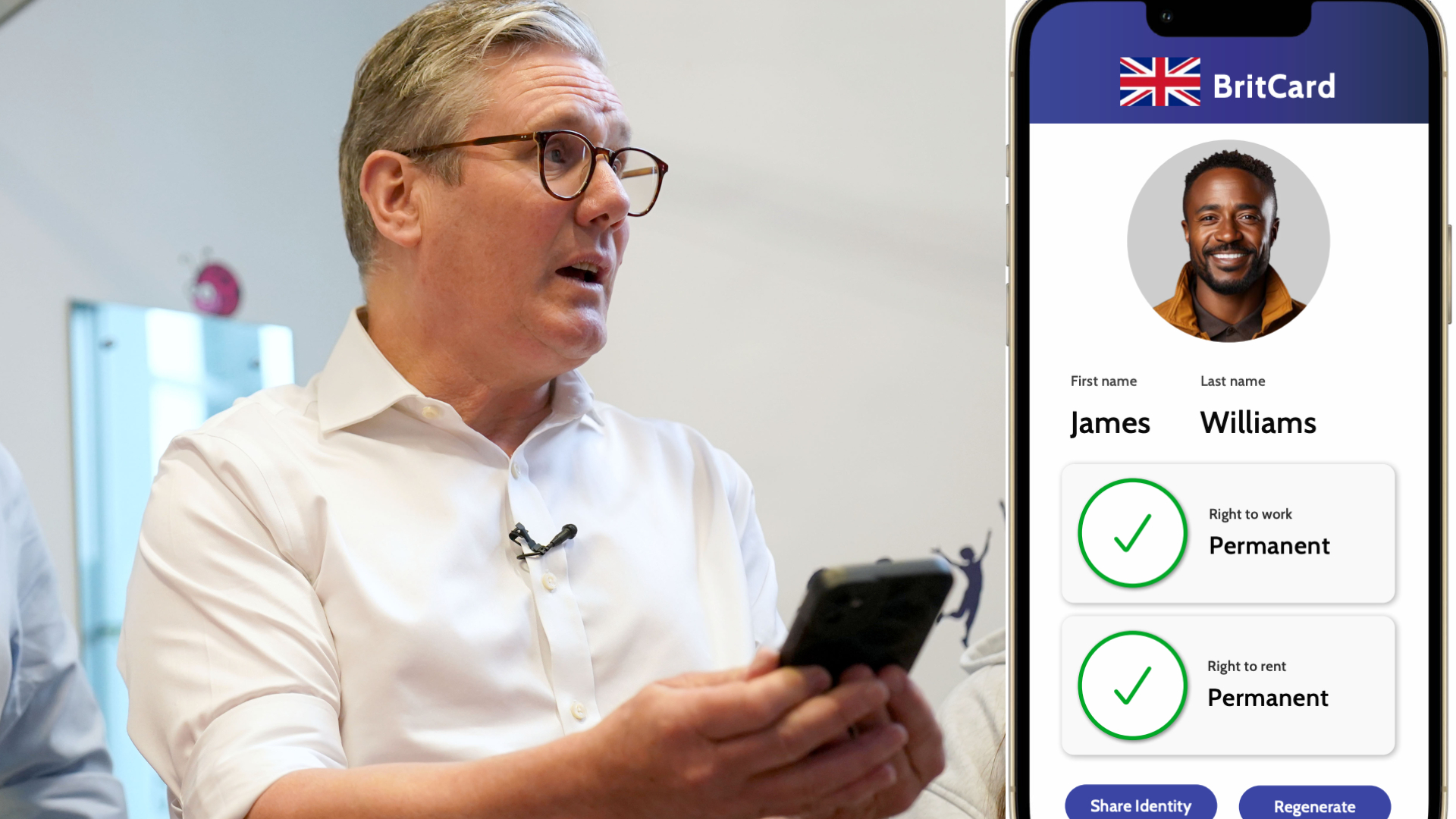
In a King’s Speech delivered on May 13, King Charles III stated, “My ministers will … proceed with the introduction of digital ID.” The announcement, part of the formal opening of Parliament under the Labour government of Prime Minister Keir Starmer, has sparked debate over privacy, civil liberties, and government surveillance in the United Kingdom.
The king’s statement references a speech by Prime Minister Keir Starmer at the Global Progress Action Summit in London on September 2025, where Starmer declared: “This government will make a new free-of-charge digital ID mandatory for the right to work by the end of this parliament. You will not be able to work in the United Kingdom if you do not have digital ID.”
Historical context shows that national ID cards were introduced during World War I and World War II for security, conscription, rationing, and administrative purposes. The WWII-era program was abolished in 1952 after public opposition over its use in peacetime policing.
Pundits suggest the current push for digital IDs may signal a looming conflict. In late April 2026, King Charles made a state visit to the United States, hosted by President Donald Trump. The trip was widely seen as an effort to strengthen transatlantic ties and address disagreements regarding Ukraine aid and the Iran conflict. During his address to Congress, Charles emphasized NATO unity and “unyielding resolve” in support of Ukraine.
Critics argue that the digital-ID announcement reflects preparation for enhanced domestic control in the event of war. Public concerns have intensified over potential surveillance mechanisms and the introduction of social-credit features. The government maintains that the system will prioritize privacy with no centralized database of personal information, while supporters claim it modernizes public services and addresses illegal immigration more effectively.