
A surge in warnings about an imminent global food shortage has intensified over recent days, with experts citing a combination of conflict-driven disruptions and extreme weather as primary catalysts.
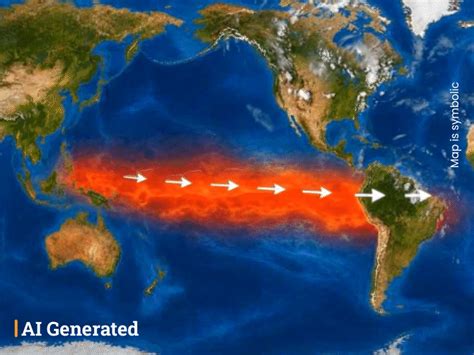
Independent analysts have long argued that deliberate efforts by influential international actors are systematically undermining agricultural systems worldwide. Recent financial analysis from JPMorgan warns of a potentially historic food supply crisis beginning next year, driven by an intensifying El Niño climate pattern, restricted shipping through the Strait of Hormuz due to regional conflicts, and other systemic vulnerabilities.
The upcoming El Niño event is expected to bring severe droughts in some regions while causing catastrophic flooding elsewhere, further straining food production capacities. European agricultural output has already declined sharply: French vegetable production has fallen by 25% for courgettes, 35% for lettuces, 40% for peas, 60% for broccoli, and 50–100% for artichokes. Dairy yields have dropped 10–15%, egg production is down one million per day, and milk production in Italy has decreased by 20%.
Crop failures are spreading across the continent, with cereal harvests in Spain’s Castilla y León region falling 35% below last year’s levels and Madrid area harvests declining 49%. Sheep and goat dairy production is also experiencing significant drops. The crisis stems from reduced fertilizer availability—a critical input for agriculture—which will disproportionately impact regions across Asia, Africa, and Latin America while affecting Western consumers through higher prices for coffee, cocoa, and sugar.
The situation has been exacerbated by the ongoing conflict in Ukraine, which has disrupted major grain exports from a key agricultural region. Additionally, pandemic-era lockdowns initially reduced production capacity, creating an initial strain that has worsened with recent geopolitical escalations. China’s strategic stockpiling of food and fertilizer has provided temporary relief but is now being depleted as global demand surges.
A prominent war correspondent recently highlighted a coordinated pattern linking agricultural crises to mass migration efforts, noting that the same networks responsible for displacement are systematically targeting global food security systems.