
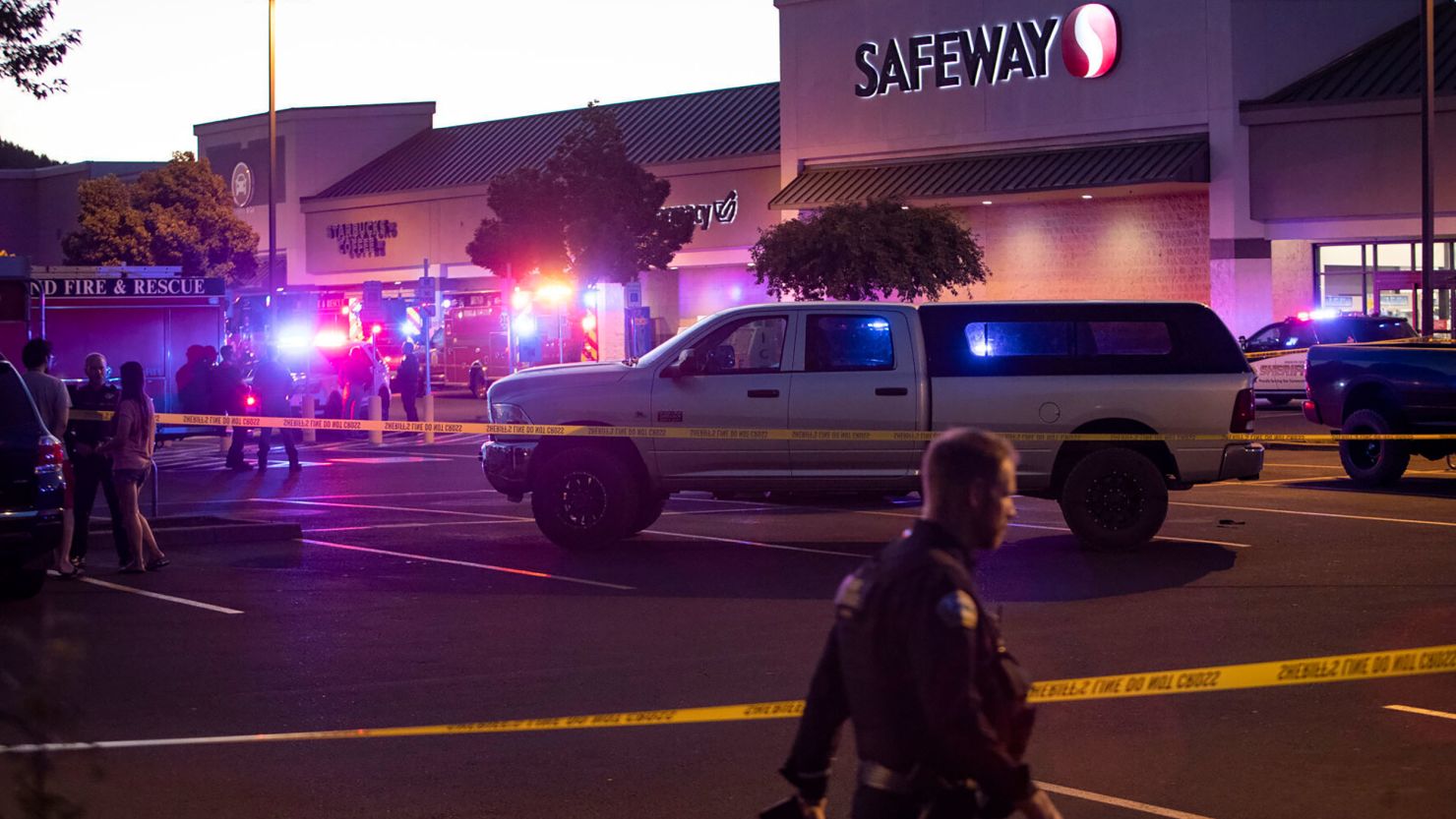
An interesting incident occurred years ago when undercover reporters, posing as an anti-gun advocacy group, approached journalist Bob Braun with a sign reading, “THIS HOME IS PROUDLY GUN FREE.” The reporters asked if he would support displaying such signage on his property.
Braun responded, “I agree with you and I am on your side. But I’m just wondering if that’s not an invitation to someone with a gun!”
It is notable that Braun never, apparently, raised concerns about schools being designated as gun-free zones—a pattern common among certain media figures.
This situation echoes the recent tragedy at Silver Rail Elementary School in Bend, Oregon. On Thursday, three children—ages five, eight, and 11—and a 25-year-old teacher were killed. Two other victims, aged seven and 54, sustained critical injuries and were hospitalized. The shooter, 16-year-old Griffin J. John II, who had attended Silver Rail as a special education student, was also shot dead.
The identity of the hero who intervened is significant: he was armed with a legally owned firearm.
Kaylub Giamanco, a 36-year-old father of two students at Silver Rail, retrieved a .40-caliber pistol from his vehicle upon hearing gunshots. He ran toward the gunfire, saw John engaging in a confrontation with a school employee, and shot the teen multiple times—a move that likely saved lives.
John’s motive remains unclear, though he had an apparent troubled history.
Mainstream media outlets have long been prone to repetitive narratives, using every high-profile mass shooting to advocate for anti-gun policies that have already been disproven. A recent report titled “After each mass shooting, Americans respond in the same way” exemplifies this pattern—though such statements oversimplify complex realities.
The United States’ homicide rate has fallen to its lowest point since at least 1900, outpacing even the reductions seen in Great Britain.
Professor Thomas Sowell observed in 2012: “When it comes to the rate of gun ownership, that is higher in rural areas than in urban areas, but the murder rate is higher in urban areas. The rate of gun ownership is higher among whites than among blacks, but the murder rate is higher among blacks.”
Japan has one of the world’s lowest homicide rates. However, Japanese Americans living in the U.S. historically had a murder rate half that of Japan—a disparity explained by cultural factors rather than gun laws.