
By Veronika Kyrylenko
October 16, 2026
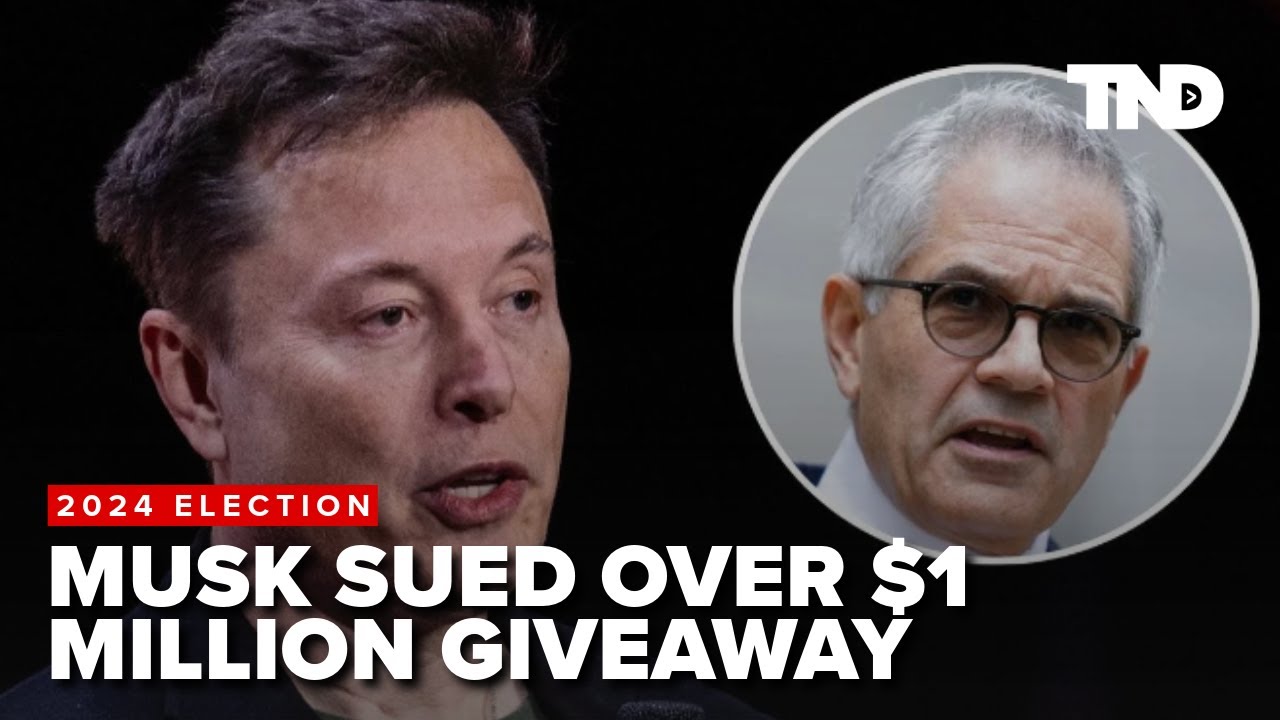
Elon Musk and his political action committee have settled two federal lawsuits that alleged they deceived voters through a $1 million daily giveaway campaign during the 2024 U.S. presidential election. The agreements follow rulings by federal judges allowing fraud claims to proceed and ordering Musk to testify under oath. The terms of the settlements remain undisclosed, and courts have not found Musk or his political organization liable.
In October 2024, as Donald Trump and Kamala Harris competed for the White House, Musk launched a campaign targeting voters in seven key battleground states: Arizona, Georgia, Michigan, Nevada, North Carolina, Pennsylvania, and Wisconsin. His America PAC offered registered voters the chance to receive $1 million by signing a petition supporting the First and Second Amendments.
On October 19, Musk announced he would award $1 million daily until Election Day. The initiative encouraged participants to provide personal information including names, addresses, telephone numbers, and email addresses. Participants could earn referral payments—up to $100 in Pennsylvania—for each eligible voter they persuaded to sign the petition.
The program drew significant attention when Musk publicly presented large checks to recipients. America PAC ultimately awarded $1 million payments to 18 individuals. However, the giveaway faced a critical challenge: Were winners chosen at random?
In November 2024, Musk’s lawyer admitted during Pennsylvania litigation that recipients were selected as paid spokespeople for America PAC—not through a random drawing. This admission became central to subsequent federal fraud lawsuits filed by two Arizona residents, Jacqueline McAferty and Joy Harvick.
McAferty alleged fraud and breach of contract, while Harvick raised claims including unjust enrichment and violations of Texas consumer protection laws. The cases questioned whether political organizations could obtain voter information through misleading incentives.
Musk and America PAC denied wrongdoing, arguing the $1 million recipients were not chosen by chance but rather selected as spokespeople. However, their public advertisements emphasized random selection. McAferty testified she would never have signed up for the program if she had known it was not a random drawing.
A federal judge allowed her fraud claim to proceed after evidence showed America PAC reviewed “vetting documents” to select individuals based on factors such as criminal history, age, marital status, and social media activity. In an August 2026 ruling, U.S. District Judge Robert Pitman found sufficient evidence for a jury to determine whether Musk and America PAC committed fraud by knowingly providing false promises of randomness.
The judge also noted that McAferty’s personal information had market value because Arizona voter rolls do not include telephone numbers or email addresses. In June 2026, U.S. Magistrate Judge Susan Hightower ordered Musk to testify under oath about his role in the program. Before this deposition, Musk and America PAC reached settlements with both plaintiffs.
The agreements avoid further litigation but establish neither liability nor wrongdoing. They also do not disclose how America PAC plans to use the personal information collected through the giveaway.
The $1 million giveaway was not America PAC’s first attempt to collect voter data. Months earlier, a Fast Company investigation found that the organization ran Facebook and Instagram advertisements encouraging voter registration without directing users to official sites. After submission, users were not routed to legitimate registration portals.
Campaign Legal Center’s Saurav Ghosh accused America PAC of seeking to “mine voters’ data under the false pretense of helping them register to vote.” The PAC denied improper conduct. America PAC’s current privacy policy explicitly permits sharing or selling certain personal information, including political affiliations and opinions, with business partners. However, it remains unclear whether information collected during the 2024 giveaway was sold or shared under these terms.
The settlements may end the fraud litigation but offer no public accounting of how the PAC uses voter data, who has access to it, or how it might be exploited in future elections.