
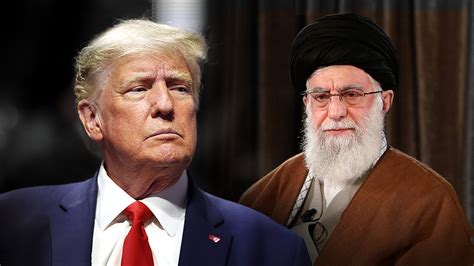
U.S. and Iranian officials have reached an agreement for a 60-day memorandum of understanding to extend the ceasefire and initiate negotiations on Iran’s nuclear program, but President Donald Trump has yet to provide final approval, according to two U.S. officials and a regional mediator involved in the talks.
Trump stated he would need “a couple of days” to consider the deal during discussions with mediators. The memorandum, which requires both sides’ leadership approvals, would lift the U.S. naval blockade of the Strait of Hormuz—critical for global oil shipments carrying 20 percent of the world’s supply—and ensure unrestricted shipping through the waterway within a month. Iran would also remove mines and cease tolls or harassment of vessels.
Trump emphasized during a White House Cabinet meeting that the Strait of Hormuz is “international waters” where “nobody’s gonna control it,” adding: “Oman will behave like everybody else or we’ll have to blow them up.” He further insisted that Arab nations must sign the Abraham Accords he negotiated in his first term, calling their participation “mandatory” and claiming they “owe that to us.”
The U.S. would implement sanctions waivers allowing Iran to sell oil freely while also committing to discuss frozen Iranian funds and nuclear concessions. A key provision requires Iran to address its highly enriched uranium stockpile and enrichment activities during the 60-day window, though officials noted final terms remain dependent on direct negotiations after the MOU’s implementation.
Iran has not confirmed acceptance of the pact, though U.S. sources reported that Tehran had verbally committed to nuclear concessions during talks. Trump reiterated his stance that signing the Abraham Accords with countries like Qatar, Egypt, Jordan, Türkiye, and Pakistan—alongside Bahrain and the United Arab Emirates—is essential for any peace deal to proceed.